
Summary
As global real estate investors face a confluence of geopolitical instability, environmental challenges, and market saturation in traditional hubs like Dubai, a fundamental recalibration of capital is occurring. High-Net-Worth Individuals and NRIs are increasingly prioritizing sovereign security and “green cover” over artificial skylines and volatile yields. This article explores the structural shifts making Goa the definitive choice for the modern investor, moving from the transient nature of desert glass to the enduring legacy of the Goan coast.
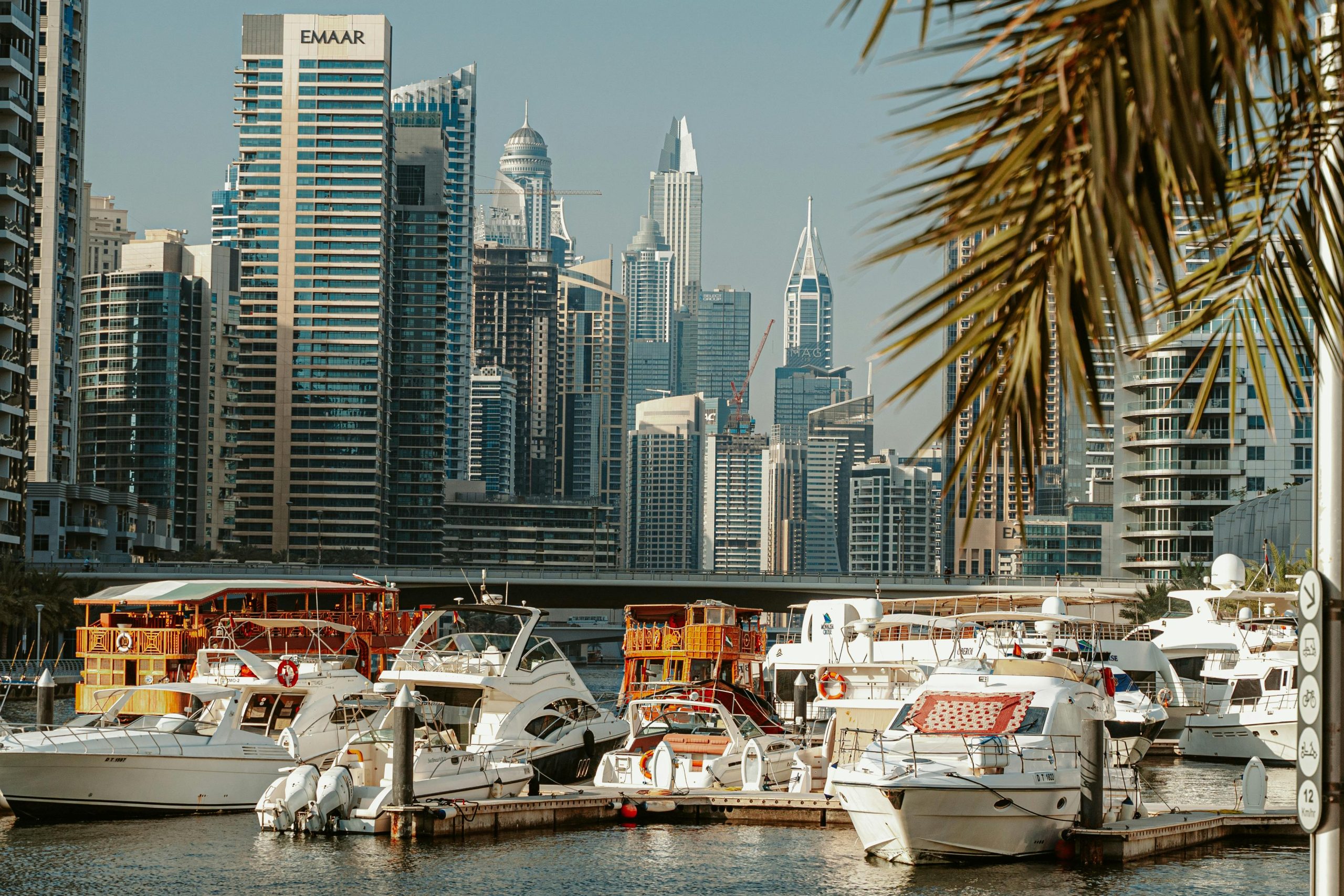
For over a decade, the global luxury real estate narrative was dominated by the meteoric rise of Dubai. With its tax-free incentives, record-breaking engineering, and safe haven reputation, it was the undisputed destination for the nomadic billionaire. However, as we move through the first quarter of 2026, the Gold Rush is facing a psychological and structural stress test. From regional tremors to environmental wake-up calls, the definition of a safe haven is being radically redefined. While the desert skyline grapples with its own limits, a new destination has emerged as the ultimate strategic hedge.
The Vulnerability of Sovereign Security
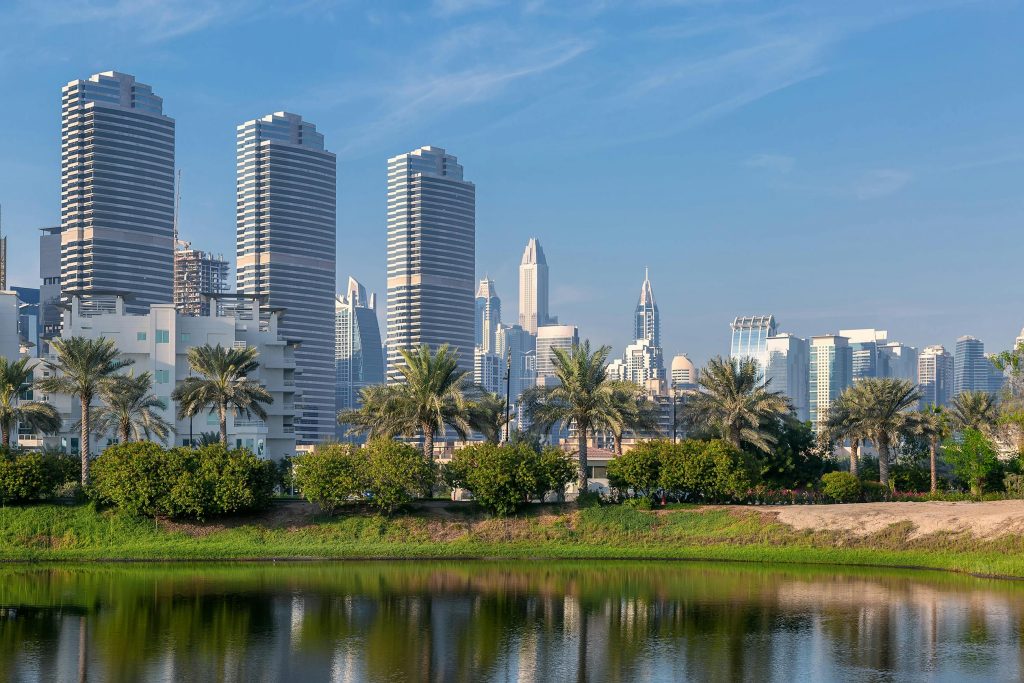
In early 2026, the global investment community watched as the perceived “immunity” of the Middle East was tested. Recent geopolitical volatility has introduced significant sovereign risk to an area many assumed was insulated from global conflict.
For the High-Net-Worth Individual, the appeal of a rental yield begins to fade when the underlying asset sits in a region facing sudden instability. We are seeing a flight to familiarity, a movement where capital returns to stable, democratic home bases where land ownership represents a permanent anchor rather than a temporary lease. For the NRI, owning a piece of the motherland has evolved from a sentimental choice into a critical defensive maneuver.
The Climate Limits of Engineered Luxury
Beyond politics, 2026 has highlighted a physical vulnerability in Dubai’s high-density urban model. The recurring drainage crises and flooding in flagship districts have raised a vital question about the sustainability of luxury that is entirely man-made. Investors are increasingly wary of “glass and steel” fatigue, recognizing that artificial infrastructure often struggles against changing climate patterns.
This has triggered a profound shift toward intrinsic luxury. The modern investor is searching for biophilic environments where the value is built into the landscape itself, rather than imposed upon it. In this new hierarchy, a private, low-density estate in North Goa is becoming more desirable than a penthouse in a saturated skyscraper.

The Dilution of the Desert Yield
The most pragmatic concern for the savvy investor is found in the supply-and-demand mathematics. With nearly 400,000 new units slated for delivery in Dubai over the next few years, the market is facing a classic case of yield dilution. It has rapidly transformed into a renter’s market, putting downward pressure on capital appreciation. Contrast this with the specific geography of Goa, where premium land is naturally capped by the coastline and strict conservation norms. While other hubs face price correction risks due to oversupply, Goa continues to see aggressive annual appreciation driven by genuine scarcity.
The Mopa Multiplier and Global Connectivity
The historical argument that Goa lacked the infrastructure of a global city has been rendered obsolete. With the Manohar International Airport now operating at full capacity, the connectivity of North Goa rivals that of any international hub. It is now often easier to reach a luxury villa in Mandrem from London or New York than it is to navigate the congestion of India’s major metros. This accessibility has turned Goa from a seasonal retreat into a viable, year-round residence for the global elite, ensuring that holiday homes now double as highly productive assets.

The Infrastructure Renaissance of North Goa
Further supporting this growth is the completion of major local transit milestones, such as the Porvorim Elevated Corridor and the Mopa Link Road. These projects have slashed travel times across the state, effectively merging the charm of secluded villages with the convenience of an interconnected city. Goa is no longer a sleepy coastal escape; it is a sophisticated hub with high-speed digital penetration and world-class amenities, making it the preferred “Plan B” for entrepreneurs and creative leaders who refuse to sacrifice lifestyle for productivity.
The Scarcity Principle of the Goan Coast
Ultimately, the value of Goan real estate is anchored in its low-density appeal. Unlike the vertical density of Dubai or Singapore, luxury in Goa is defined by space, privacy, and greenery. This scarcity is the primary driver of value. As more global capital seeks refuge from overcrowded urban centers, the demand for gated, biophilic sanctuaries will only intensify. Investing in Goa today is not just about catching a trend; it is about securing a stake in a finite resource that the rest of the world is just beginning to fully appreciate.

Choosing the Anchor with The Windsouls
Dubai will always maintain a role in a diversified portfolio, but in 2026, the “smart money” is no longer looking for the highest skyscraper. It is looking for the deepest roots. As the global market recalibrates, Goa stands ready to offer the yields of a global city, the soul of a tropical paradise, and the security of the homeland. At The Windsouls, we design for this specific moment in history. Our projects are not just buildings; they are resilient sanctuaries built for those who understand that the ultimate luxury is peace of mind. The choice is no longer between a transaction and an investment. It is between a skyline and a legacy.

Frequently Asked Questions
The shift toward Goa is driven by the need for sovereign security. Recent geopolitical tensions in the Middle East have highlighted the vulnerability of assets tied to residency-based markets. Investors are prioritizing land ownership in stable, democratic regions where the legal framework for property is permanent. Goa offers a “Plan B” that is both a high-appreciating asset and a sovereign sanctuary, providing a safety net that artificial, lease-heavy markets cannot match.
While Dubai traditionally focused on rental yields, the market is currently facing an oversupply crisis with nearly 400,000 new units diluting returns. In contrast, Goa is a capital appreciation powerhouse. Premium coastal pockets in North Goa are experiencing annual appreciation rates between 20% and 25%. For the savvy investor, the long-term wealth generated by Goa’s scarcity far outweighs the plateauing rental yields of saturated desert skylines.
The “sleepy village” narrative of Goa has been replaced by a modern infrastructure renaissance. The Manohar International Airport at Mopa is now a fully operational global gateway, connecting Goa directly to major financial hubs like London and New York. Additionally, the completion of the Porvorim Elevated Corridor and the Mopa Link Road has fundamentally changed local transit, making year-round luxury living not only possible but highly efficient for global nomads and executives.
Many market analysts view the 2026 situation in Dubai as a structural wake-up call. The combination of environmental challenges, such as flooding in high-density districts, and a massive supply-demand imbalance suggests a maturation of the market. Investors are no longer chasing speculative “artificial luxury” and are instead moving toward “intrinsic luxury,” where value is derived from nature, low-density planning, and environmental resilience—qualities that Goa possesses in abundance.
North Goa, particularly areas like Mandrem, Assagao, and Siolim, represents the pinnacle of the “scarcity principle.” Strict coastal regulation zones and geographical boundaries ensure that supply remains finite. This natural cap on development, combined with the proximity to the new airport and elite social infrastructure, makes it the primary target for HNIs seeking exclusive, gated sanctuaries that are guaranteed to appreciate.
Biophilic luxury is about building in harmony with nature rather than trying to override it. While high-density urban centers in Dubai have struggled with infrastructure failures during extreme weather events, Goa’s low-density, green-forward estates are designed for natural resilience. This approach prioritizes privacy, sustainable water management, and open space, offering a lifestyle that is fundamentally more resilient and higher in quality than high-rise urban living.
For NRIs, investing in Goan real estate in 2026 is an ideal hedge. Real estate is a tangible asset that has historically outperformed currency volatility through aggressive capital appreciation. By moving capital from volatile international markets into prime Goan land, NRIs are securing a high-value legacy asset. This asset serves as both a profitable investment and a permanent home in their country of origin.
The Windsouls focuses on creating resilient sanctuaries that cater to the global investor. Rather than following the trend of vertical density, we prioritize low-density, high-privacy estates that emphasize biophilic design and sovereign security. We provide a space where the modern investor can find both the financial growth of a prime asset and the emotional peace of a sanctuary, bridging the gap between a high-yield transaction and a lasting family legacy.